Reiki Healing vs. Traditional Therapies: What’s Right for You?


Understanding Reiki Healing
Reiki healing is a form of alternative therapy that involves channeling energy through the hands of a practitioner to promote balance and well-being. Originating in Japan, this practice is based on the belief that life force energy flows through us, and disruptions can lead to physical or emotional ailments. By harnessing this energy, Reiki aims to restore harmony in the body.
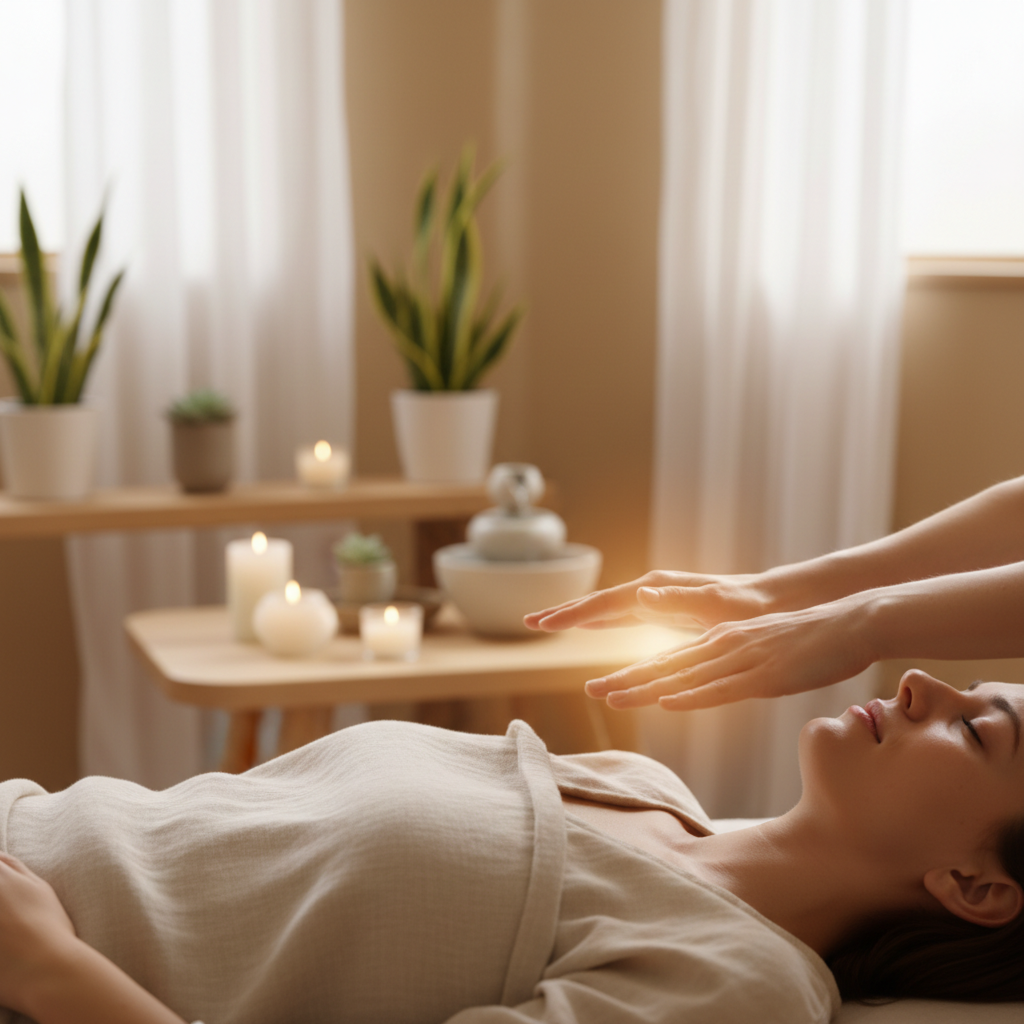
Unlike other therapies, Reiki is non-invasive and does not require any physical manipulation. Practitioners typically place their hands lightly on or just above the client's body, allowing energy to flow where it's needed most. Sessions can be deeply relaxing, often leaving individuals feeling rejuvenated and at peace.
The Principles of Traditional Therapies
Traditional therapies encompass a wide range of practices, including physical therapy, psychotherapy, and medication. These approaches are often used to address specific medical conditions or mental health issues. Physical therapy, for example, focuses on restoring movement and function through exercises and manual techniques.
Psychotherapy, on the other hand, involves talking with a mental health professional to explore feelings, thoughts, and behaviors. This can include cognitive-behavioral therapy, psychoanalysis, or other methods designed to facilitate personal growth and emotional healing.

Comparing the Benefits
Both Reiki and traditional therapies offer unique advantages. Reiki may be appealing for those seeking a holistic, gentle approach to healing. It's often used for stress reduction, relaxation, and promoting a sense of overall well-being. Many find it complementary to other forms of treatment, enhancing the body's natural healing processes.
Traditional therapies, however, are backed by extensive research and clinical trials. They are often the first line of treatment for specific medical or psychological conditions. These therapies provide structured, evidence-based approaches to manage symptoms and improve quality of life.

Choosing the Right Path
Deciding between Reiki and traditional therapies depends on individual needs and preferences. Consider the following factors:
- Condition: For specific medical issues, traditional therapies might be more appropriate.
- Preferences: If you prefer a holistic approach, Reiki might be a suitable choice.
- Goals: Determine what you hope to achieve through therapy, whether it's symptom relief, relaxation, or personal growth.
Consulting with healthcare professionals can also provide guidance tailored to your situation. They can help you weigh the pros and cons of each option, ensuring that your choice aligns with your health and wellness objectives.
Integrating Both Approaches
Many individuals find that combining Reiki with traditional therapies offers a comprehensive approach to healing. For example, someone undergoing physical therapy might use Reiki sessions to enhance relaxation and reduce stress, potentially improving overall recovery.
Integration allows for a more personalized healing journey, addressing both physical symptoms and emotional well-being. This holistic approach can lead to more profound and lasting results, supporting a balanced and harmonious lifestyle.

Ultimately, the choice between Reiki and traditional therapies is personal and should reflect your unique needs and values. By exploring both options, you can create a healing path that resonates with you, fostering health and happiness in your life.